Starting With the Right Information
Searching for “Ledger.com/start” usually means you are preparing to set up a hardware wallet or trying to understand a step in the process. Start by confirming that the instructions you follow come from a source you intentionally navigated to. Be wary of sponsored search results, unsolicited messages, and lookalike web addresses. A convincing page or support account is not proof of authenticity.
This guide is independent and educational; it is not the official Ledger website or a substitute for the current instructions supplied with your device. Product flows can change. If a detail here differs from the instructions shown through a verified official channel, pause and consult that channel before proceeding.
Understanding the Hardware Wallet
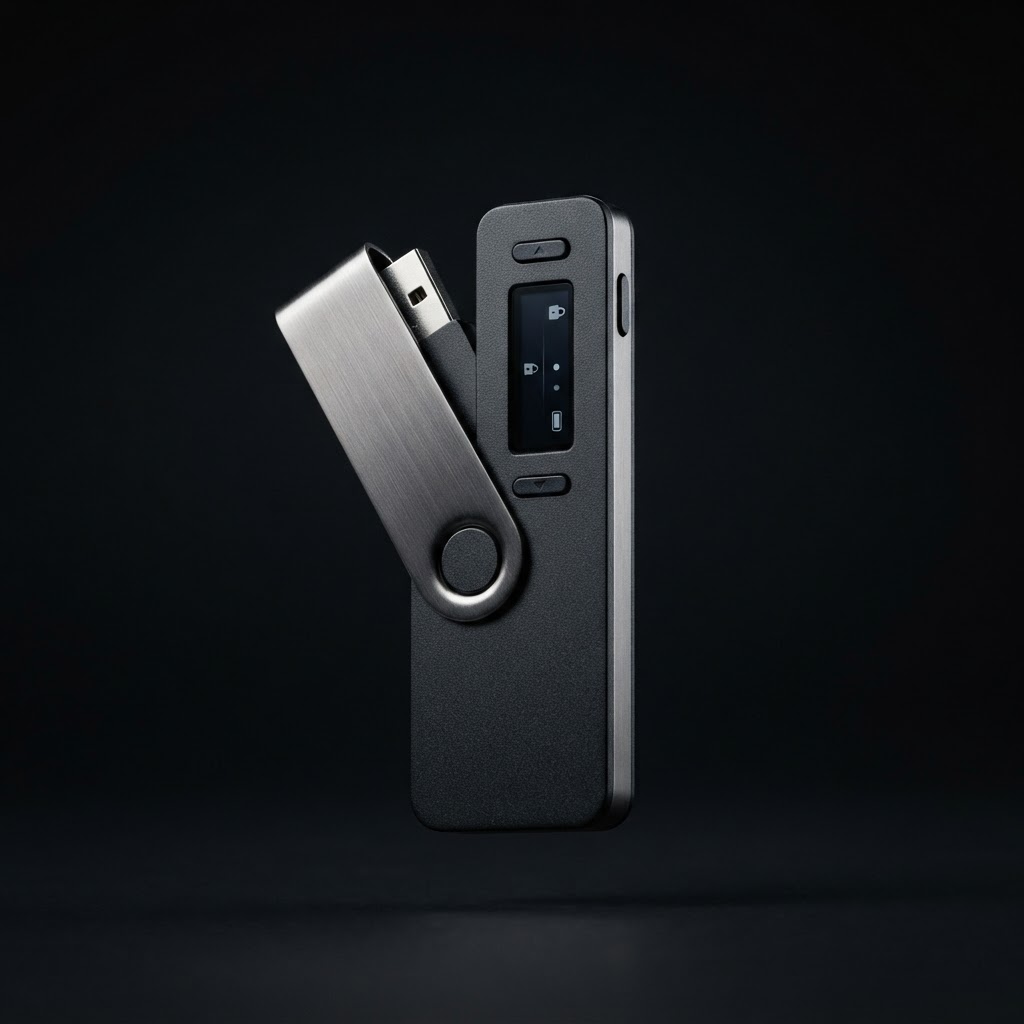
A hardware wallet is a physical device used as part of a broader process for managing crypto accounts. It is designed to keep sensitive signing operations separate from a general-purpose computer or phone. It does not remove every risk, make transactions reversible, or protect you from every deceptive website. Your computer, the applications you choose, and your own verification habits remain part of the security picture.
Think of setup as establishing a trusted relationship between the device and the software you use to view and manage accounts. The screen and controls on the physical device matter: when you approve an action, read what the device itself displays rather than relying only on the connected screen. Never assume a device is authentic based on appearance alone.
A connected screen can explain a request.
The device is where you verify it.
Preparing for Setup
Choose a quiet moment and a private place. Use a computer or phone you trust, keep its operating system and security software current, and avoid public Wi-Fi or shared devices for sensitive account tasks. Set aside enough time to read prompts without rushing. Keep the device and any included materials nearby, but do not share their contents with anyone.
Reach the official product support and setup resources by typing a known address yourself or using a trusted bookmark—not a link sent in a direct message. Check the spelling and domain carefully. Do not install remote-access software because a stranger claiming to be support asks you to, and do not grant screen sharing to someone you do not know.
The Verification Stage
Follow the current setup instructions and read each screen before continuing. If software offers a way to check device authenticity, complete that check as directed. If the device or its packaging appears altered, if an unexpected recovery phrase is supplied, or if an authenticity check does not complete normally, stop and contact support through a verified channel.
During setup, distinguish between information you may safely see on your own device and information you must never disclose. A legitimate setup should not require you to type a recovery phrase into a website, send it in a chat, or dictate it to a support agent. Treat any request to do so as a serious warning sign.
✓ DO
- Read the physical device before approving.
- Navigate to support resources yourself.
- Pause when a prompt feels unexpected.
× AVOID
- Sharing recovery words with anyone.
- Approving a transaction you did not initiate.
- Trusting urgency or unsolicited support.
Protecting Recovery Information
Recovery information—often presented as a series of words—is exceptionally sensitive. It can provide a route to restore access, so anyone who obtains it may be able to take control of the associated assets. Write it down only as instructed for your setup, check it carefully, and store it offline in a secure place that only you can access. Consider protection against ordinary hazards such as loss, fire, or water, without making unnecessary copies.
Never photograph or screenshot the words, store them in cloud notes or email, paste them into a password manager, or enter them into an online form. No support agent, website, or helpful stranger needs your recovery phrase. If you already exposed it, assume it is compromised and seek instructions through verified support immediately; do not wait for suspicious activity.
Safe Account and Device Practices
Use a strong, unique password for accounts that support the wallet experience, and enable an available second factor where appropriate. Keep device access private, install software only from verified sources, and update through trusted channels. Before confirming a transaction, compare the destination and relevant details on the device with what you intended to do. Small mismatches are a reason to cancel and investigate.
Security is a routine, not a one-time setup screen. Be skeptical of messages about urgent account problems, giveaways, refunds, or remote assistance. Genuine-looking branding can be copied. When uncertain, close the message, navigate independently to a known source, and verify what is happening there.
Common Problems Beginners Encounter
New users often rush, confuse a recovery phrase with a password, or approve prompts without understanding them. Another common mistake is assuming a connected application is always displaying the same information as the hardware device. Read both, and treat the physical device as your final verification point for approvals.
If setup stalls, avoid repeatedly guessing codes or following search-result fixes. Check the official troubleshooting guidance for your exact situation and keep recovery information private throughout. If a device is lost or damaged, use the current recovery process from a verified source. Never trust a recovery service that asks you to disclose your words.
Final Setup Checklist
- 01
I reached setup and support instructions through a source I verified.
✓ - 02
I have a private, up-to-date device and enough time to proceed carefully.
✓ - 03
I know that recovery information must never be shared or entered online.
✓ - 04
I will verify important details on the physical device before approval.
✓ - 05
I know how to pause and find trusted support if anything seems wrong.
✓
Frequently Asked Questions
Is this the official Ledger.com/start website?
No. This is an independent educational resource and is not affiliated with or endorsed by Ledger. Use verified official channels for current product instructions and support.
Should I enter my recovery phrase on a website to finish setup?
No. Do not enter recovery information into a website, app, chat, or support conversation. Keep it private and offline, and consult verified guidance if a prompt asks for it unexpectedly.
What should I do if I am unsure about a device prompt?
Do not approve it. Pause, review the details, and check current guidance through a trusted official channel that you reach independently.
Does a hardware wallet eliminate all risk?
No. Safe use also depends on protecting recovery information, verifying transactions, keeping software current, and avoiding impersonation and phishing attempts.
Take your time. Understanding each step is part of securing it.